Rooftop Unit Repair & Maintenance in Aurora, MO
When a rooftop unit stops cooling or heating, or when a building needs its routine seasonal checks, Heller Heat & Air is ready to help. We service all brands and work on light commercial rooftop units up to 25 tons across Aurora and our service area. Every visit starts with the symptoms you have observed, followed by testing on the roof and at the equipment, so the cause is identified before any parts are ordered. We explain what we find in plain language and talk through your options before any work begins.




Why Building Owners Call Our Rooftop Repair Company
Heller Heat & Air was established in 2001 and has 25+ years in business. A struggling rooftop unit needs a company with a long track record behind it, one that has worked through many systems, many roof layouts, and many building uses. Backed by 40+ years of industry experience, our team brings that background to every diagnosis. We are glad to explain how we work through a repair before you commit to anything.
A rooftop repair should begin with a clear answer to what failed and why. We test the system as it runs, check the electrical side, and review airflow and refrigerant behavior before we recommend a part. Replacing components to see what works wastes time and adds cost to your building, so we avoid that approach. If a repair is not the right answer, we will say so.
We do not push unnecessary sales. When a repair is worth doing, we explain the reasons in plain language. When a repair will not hold, we explain that as well, along with the options that remain. You can read about our company background before you reach out, and you can ask questions about any line of a proposal before you approve work.
We service all brands, so the unit on your roof is evaluated on its own condition rather than on the manufacturer’s name. As a YORK® Authorized Dealer and LG Premier Dealer, we understand how manufacturer equipment is designed to operate, which helps us tell normal behavior apart from a real fault.
A repair visit can affect the people working in a building, so we coordinate roof access, equipment shutdowns, and any power work with you before the technicians arrive. We confirm the visit window in advance and explain each stage, so you can plan around the work and keep your staff informed.
Heller Heat & Air is an Aurora Chamber of Commerce member and BBB Accredited. Those affiliations are easy to check, and we are glad to talk through how they fit the way we work with business owners. Before you decide, ask us what a typical repair visit looks like from the first call through the final test.

Tell Us What Your Rooftop Unit Is Doing
Share the type of building, what the rooftop unit is doing, and when the problem started. Include any details you have about the unit’s age, its model plate, or recent service, and note whether occupied spaces are affected. Our technicians come to your building to test the unit, so include the address, a contact name, and the best time to reach you. While you plan, you can also review rooftop unit installation, package unit repair, or central air conditioning repair.
Reach Out to Our Team


Flexible HVAC Financing in Aurora, MO
Synchrony financing makes it easier to move forward with a new air conditioner, furnace, heat pump or mini-split without putting your whole budget on hold. You can apply online in a few minutes, or contact our team and we’ll walk you through your options.
Comfort Club
$159 A Year- Spring safety & efficiency inspection
- Fall safety & efficiency inspection
- Prevent most breakdowns before they occur
- Computerized service history of all equipment
- 10% discount on all parts and labor for all repairs
- Priority service
- Bonus bucks
If you have more than one system, add $30 per additional system
Ready to Get Started?
Contact Heller Heat & Air today to schedule service or ask a question. We’re here to help keep your home comfortable all year.
Signs a Rooftop Unit Needs a Repair Visit
These are the patterns that most often mean a rooftop unit needs a professional look.
Uneven or Weak Cooling Across Zones
When some areas of a building stay warm while others feel comfortable, the cause is often airflow, a refrigerant problem, or a control that is not calling for conditioned air. A dirty filter, a restricted supply path, or a failing component can each produce that pattern. Describe which zones are affected and when the problem shows up, because that detail helps us narrow the cause.
Short Cycling or Nonstop Running
A unit that starts and stops in short bursts, or one that runs continuously without reaching its setpoint, is working outside its normal pattern. Short cycling can come from a control fault, an airflow restriction, or a failing electrical component. Nonstop running can point to a refrigerant issue or a loss of capacity. Note how often the cycling happens and whether it occurs in heating or cooling mode.
Water Leaking Into the Building
Water near indoor ductwork, a ceiling, or the air handling section usually means the condensate drain is blocked or the drain pan is overflowing. Standing water can damage finishes and encourage mold, so it is worth a visit before the damage spreads. Our technicians clear the drain, inspect the pan, and confirm the unit is removing moisture as designed.
Unusual Noises From the Roof
Grinding, squealing, or rattling from the rooftop section can point to a worn fan motor, a loose panel, or a bearing that is starting to fail. A repeated click at startup can signal a component that is struggling to engage. Describe the sound, when it happens, and whether it continues once the unit is running.
Repeated Breaker Trips or Electrical Odors
A breaker that trips again and again, or a burning smell coming from the unit, means an electrical component may be overheating. Turn the system off at the thermostat or control panel and avoid restarting it until a technician has inspected it. Describe where the smell seemed to come from and whether the trips happen in heating or cooling mode.
Heating or Cooling Output That Keeps Dropping
If the unit still runs but delivers less heating or cooling each season, it may be losing capacity. Dirty coils, refrigerant loss, and worn components can all reduce output gradually, so the change can be hard to notice at first. Record the temperatures you observe in the affected spaces, which gives the technician a useful starting point.
How a Rooftop Service Call Unfolds, Step by Step
Every rooftop repair follows the same sequence, and nothing moves to the next stage until you have seen the results of the one before it. The steps below describe how we handle a visit from the first conversation to the written record that closes it out.
Intake and Symptom Review
We begin with what you have observed, because the symptoms point us toward the systems most likely to be involved.
- Record the symptoms, when they started, and which spaces are affected
- Review the unit’s model and service history, if you have them on hand
- Ask whether the problem appears in heating mode, cooling mode, or both
- Confirm roof access, the best arrival window, and any shutdowns that affect occupied space
- Set expectations for the visit, including who will attend and what they will test
On-Roof and Equipment Testing
Testing happens on the roof and at the equipment, and it follows the evidence rather than a fixed checklist.
- Check the electrical supply, controls, and the thermostat or building signal
- Measure voltage, amperage, and component condition at the unit
- Check refrigerant pressures and temperatures to judge how the system is performing
- Inspect fan motors, blowers, and the condensate drain for wear and blockage
- Review airflow and the temperature difference across the coil to confirm heat transfer
Written Findings and Repair Options
Before any repair begins, we explain what we found and the options that follow from it. You will have a clear picture before you approve work.
- Describe each fault in plain language, with the test results behind it
- Separate safety-related items from items that can be planned on a regular schedule
- Explain which repairs are likely to hold and which would only be temporary
- Outline the parts, labor, and roof access each option requires
- Confirm in writing what you have approved and what remains open
Completing the Approved Repair
Once you approve the work, our technicians complete the repair according to the written scope and keep you informed along the way.
- Order the approved parts and confirm they match the unit’s model and configuration
- Perform the repair while protecting the roof surface and the work area
- Coordinate any shutdowns or temporary changes with your staff in advance
- Reconnect and recheck every electrical and control connection
- Report back if the scope changes, and wait for your approval before any additional work
Test Results and Written Service Record
The visit ends with proof that the unit is operating as intended, along with a record your team can keep.
- Start the unit and verify cooling or heating performance, airflow, and temperatures
- Confirm the controls operate correctly with the thermostat or building signal
- Record the test readings taken before and after the repair
- Provide a written service record that describes the work completed
- Include any manufacturer paperwork that came with the parts we installed
- Recommend next checks or routine service where the findings support it
Rooftop Components We Repair and Service
Contactor and Capacitor Replacement
Contactors and capacitors are among the most common electrical parts to weaken in a rooftop unit. When one fails, the compressor or fan may struggle to start or stop running as it should.
Ask about a contactor or capacitor repairSupply and Condenser Fan Motor Service
A fan motor that is noisy, slow, or stopped can cause overheating, poor airflow, or repeated shutdowns. We inspect the motor, the blade, the mounting, and the electrical supply.
Request a fan motor checkCompressor Diagnosis
A compressor problem can look like several other faults, so it requires careful testing before it is confirmed. We check electrical draw, pressures, and temperature behavior to separate a compressor fault from a control, charge, or airflow issue.
Discuss a compressor diagnosisRefrigerant Leak Detection
Low refrigerant leaves a rooftop unit short on capacity and can damage the coil over time. We test the circuit, look for the source of the leak where possible, and explain the repair options for the system.
Schedule a refrigerant leak checkThermostat and Control Wiring
A control that misreads conditions can make a working unit seem broken. We test the thermostat or building controls, the wiring between them, and the signals that reach the rooftop equipment.
Ask about a controls checkCondensate Drain and Drain Pan Service
A blocked drain line can shut down a unit or send water into the building. We clear the line, inspect the drain pan, and confirm that condensate is leaving the system as designed.
Report a drainage problemHeating Section Inspection
Rooftop units that provide heat need their heating section checked as carefully as the cooling side. We inspect the components for the type of heat the unit uses and confirm that its controls and safeties operate as they should.
Request a heating section inspectionElectrical Connection Testing
Loose connections, failing components, and unbalanced electrical loads can cause repeated shutdowns. We test connections, measure electrical performance at the unit, and confirm that each component operates within its normal range.
Ask about electrical testing
Rooftop Unit Repair Questions Answered
Diagnosis starts with the symptoms and the spaces that are affected, then moves to testing the unit itself. We check the electrical supply, refrigerant pressures and temperatures, airflow across the coil, and the controls that call for cooling. Testing the system as it runs usually separates a refrigerant issue from an airflow or control problem, so the repair is aimed at the actual cause.
Repeated breaker trips usually point to an electrical fault, an overloaded or failing component, or a connection that has loosened or overheated. Turn the system off at the controls and avoid resetting the breaker over and over. We test the circuit, measure the amperage each component draws, and inspect connections for heat damage before we recommend a fix.
Water inside the building usually means the condensate drain is blocked, the drain pan is overflowing, or the unit is not draining the way it was designed to. Standing water can damage ceilings and flooring, so it is worth addressing before water causes lasting damage. We clear the drain line, inspect the pan and coil, and check that the unit’s slope and connections support proper drainage.
Have the building’s address, a contact name and phone number, and a description of the symptoms ready. If you can, include the unit’s model and serial numbers from the nameplate, the date of its last service, and any recent changes to the building or its controls. Noting when the problem started and which spaces it affects helps us plan the visit with the right tools and people.
Most rooftop repairs involve some work on the roof, because the unit, its controls, and its electrical connections are located there. We protect the roof surface and any walkways near the work area, and we plan access routes before the technicians arrive. If a repair calls for a larger roof task, we will describe it in the written findings before any work is done.
That depends on the condition of the unit’s major components and on what the repair would accomplish. We test the system and explain whether the failed part is an isolated problem or a sign of wider wear. Then we lay out the repair options and their likely outcomes so you can compare them against the building’s needs. We will not recommend replacement when a repair will serve the building well.
We weigh the test results, the unit’s overall condition, the cost of the repair against the value of the equipment that remains, and the building’s comfort needs. A repair often makes sense when the rest of the unit is sound. Replacement becomes the better option when several major components are failing together. If the work is part of a larger project, financing options may help.
Routine service focuses on the parts that wear and affect performance, including electrical connections, contactors, fan motors, refrigerant pressures, airflow, and the condensate drain. We clean accessible components where appropriate, check controls and safeties, and note any wear that deserves attention before it becomes a failure. Our Comfort Club maintenance plan is built for residential homes, so for a commercial rooftop unit we describe the visit scope in writing.
The timeline depends on the fault, the parts involved, and access to the roof. Some repairs are completed in a single visit, while others need parts ordered and installed later. We explain the expected timing in the written findings and keep you informed if a part’s availability changes the plan. The schedule we confirm with you in writing is the one to plan around.
We tell you what is needed, why it is needed, and how the part affects the schedule. Where a temporary measure is safe and appropriate, we explain what it does and what it does not solve. Once the part arrives, we install it, test the system, and document the result. You approve the scope before any part is ordered, so the decision stays with you.
Other Comfort Systems We Service
A rooftop problem can overlap with other parts of a building’s heating and cooling, so these related services may also be worth a look.
-
Heat pump repair
Diagnosis and repair for ducted heat pump systems in our service area.
-
Mini-split repair
Ductless system service for homes and light commercial spaces.
-
Furnace repair
Heating diagnosis and repair for furnaces in our service area.
-
Air filtration and air cleaners
AprilAire options that support cleaner air throughout a building.
-
Humidifiers and dehumidifiers
AprilAire humidity control for comfort in every season.
What Aurora Homeowners Say About Us
Our reputation was built one service call at a time. Here’s what our neighbors in Aurora and the surrounding area have to say about working with Heller Heat & Air.
Rooftop Repair Visits Across Our Service Area
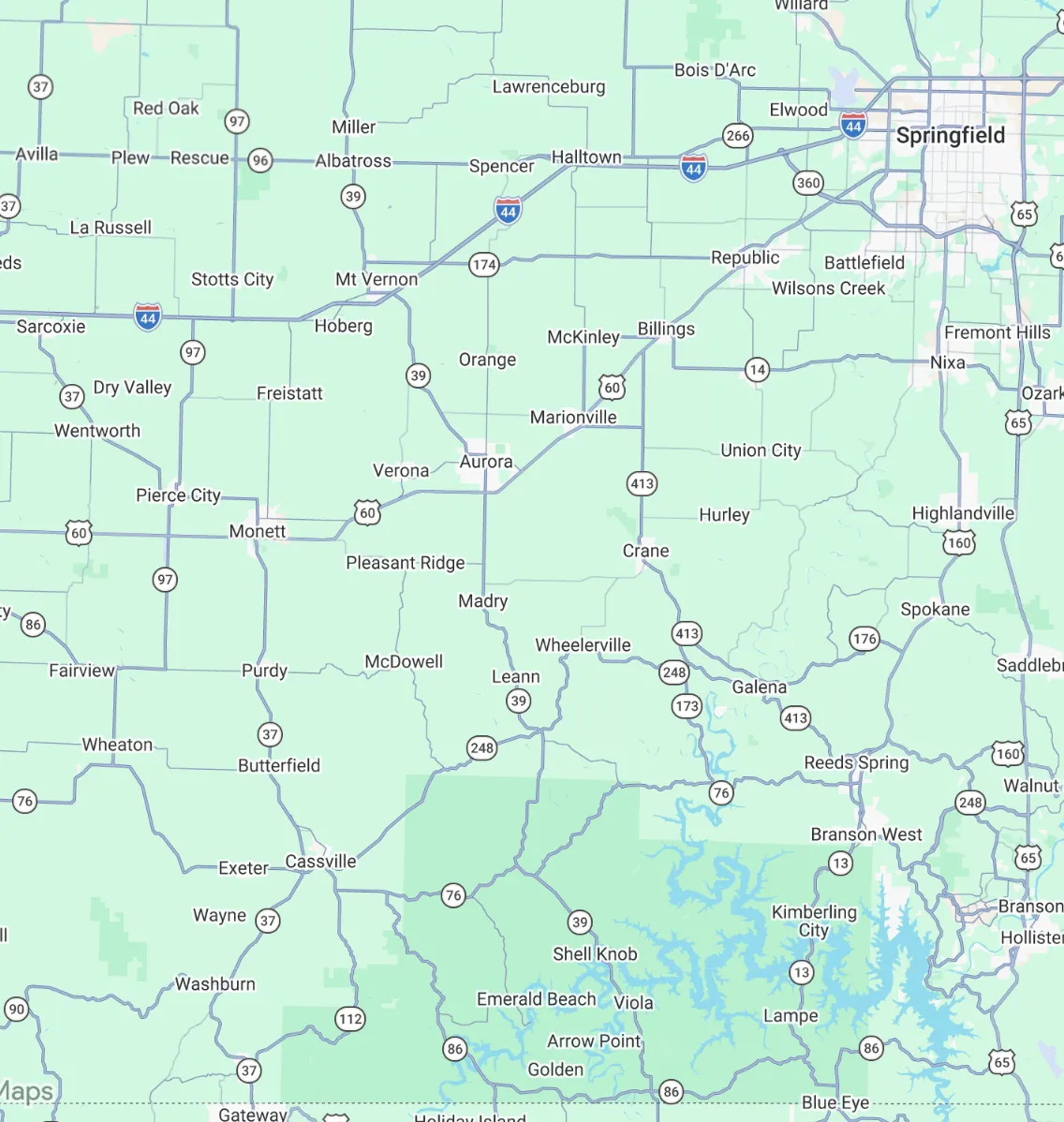
Heller Heat & Air proudly serves light commercial buildings in the communities below. For a full look at our coverage, see our service area overview, or review our Aurora services page for work in our home base.
- Aurora HVAC service
- Mount Vernon HVAC service
- Monett HVAC service
- Shell Knob HVAC service
- Marionville HVAC service
- Verona HVAC service
- Pierce City HVAC service: contact us
- Purdy HVAC service: contact us
- Miller HVAC service: contact us
- Crane HVAC service: contact us
- Billings HVAC service: contact us
- Leann HVAC service: contact us

Additional Communities Served
Don’t see your town listed? We regularly travel beyond these communities, so give us a call and we’ll let you know if we can help.


Dependable Rooftop Care From an Aurora HVAC Contractor
A rooftop unit that is not performing deserves a clear diagnosis and a careful repair. At Heller Heat & Air, we bring 40+ years of industry experience, a commitment to honest recommendations, and a written record of every visit. We take the time to understand the building before we recommend anything, and we explain each finding in plain language.
If your rooftop unit needs attention or you want routine checks in place, reach out to our office and we will arrange a visit that fits your building. We can also talk through whether a repair or a replacement makes more sense, and we will answer your questions before any work is approved.