Furnace Repair & Maintenance in Aurora, MO
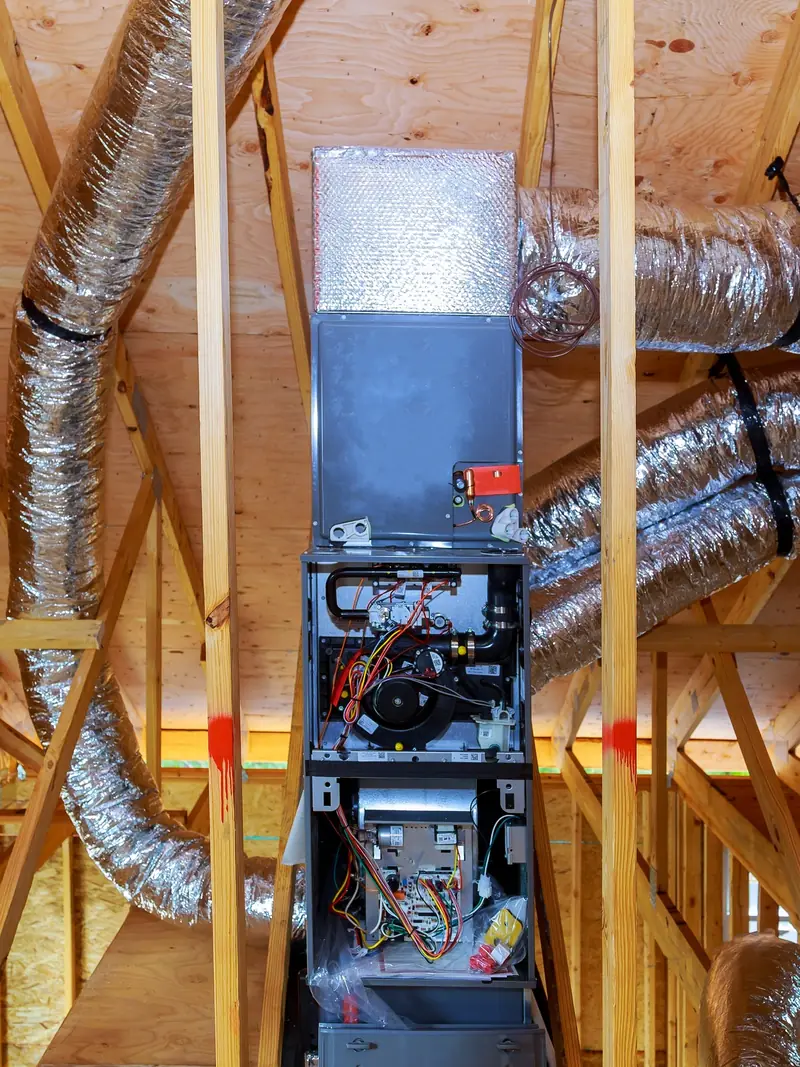
Heller Heat & Air diagnoses and repairs furnaces for homeowners in Aurora and across our service area, and we keep existing furnaces running through seasonal tune-ups. When a furnace heats unevenly, cycles on and off, or simply needs its checkup before cold weather, we start by testing the system while it runs in your home. As a YORK® Authorized Dealer, we work directly with YORK® equipment, and we service all brands, so the nameplate on your furnace does not decide whether we can help.



A Furnace Repair Company That Explains Before It Replaces
Our team brings 40+ years of industry experience to every furnace we are asked to examine. That background shapes how we check ignition, burner operation, airflow, and safety controls, and how we describe what we find. We would rather identify the real cause of a heating problem than swap a part that was never at fault.
Heller Heat & Air was established in 2001 and has 25+ years in business. Choosing who works on a furnace means trusting people inside your home, and a stable operating history gives you something concrete to weigh. You can read the story behind our company before you reach out.
We service all brands, so an older furnace from another manufacturer is still a candidate for a full diagnosis. As a YORK® Authorized Dealer, we know YORK® equipment closely, which helps us compare your current furnace with replacement options when a repair no longer makes sense. We explain both paths in terms of the system you own.
We do not push unnecessary sales. When a part has failed, we show you the component, explain why it failed, and describe the repair options before any work begins. Some visits end with one inexpensive part, while others point toward a larger decision, and you can decline any recommendation without pressure.
Heller Heat & Air is an Aurora Chamber of Commerce member and BBB Accredited. Both affiliations are public, so you can confirm them before you schedule a visit. Affiliations do not replace good workmanship, but they give you one more way to check our record.

Describe What Your Furnace Is Doing
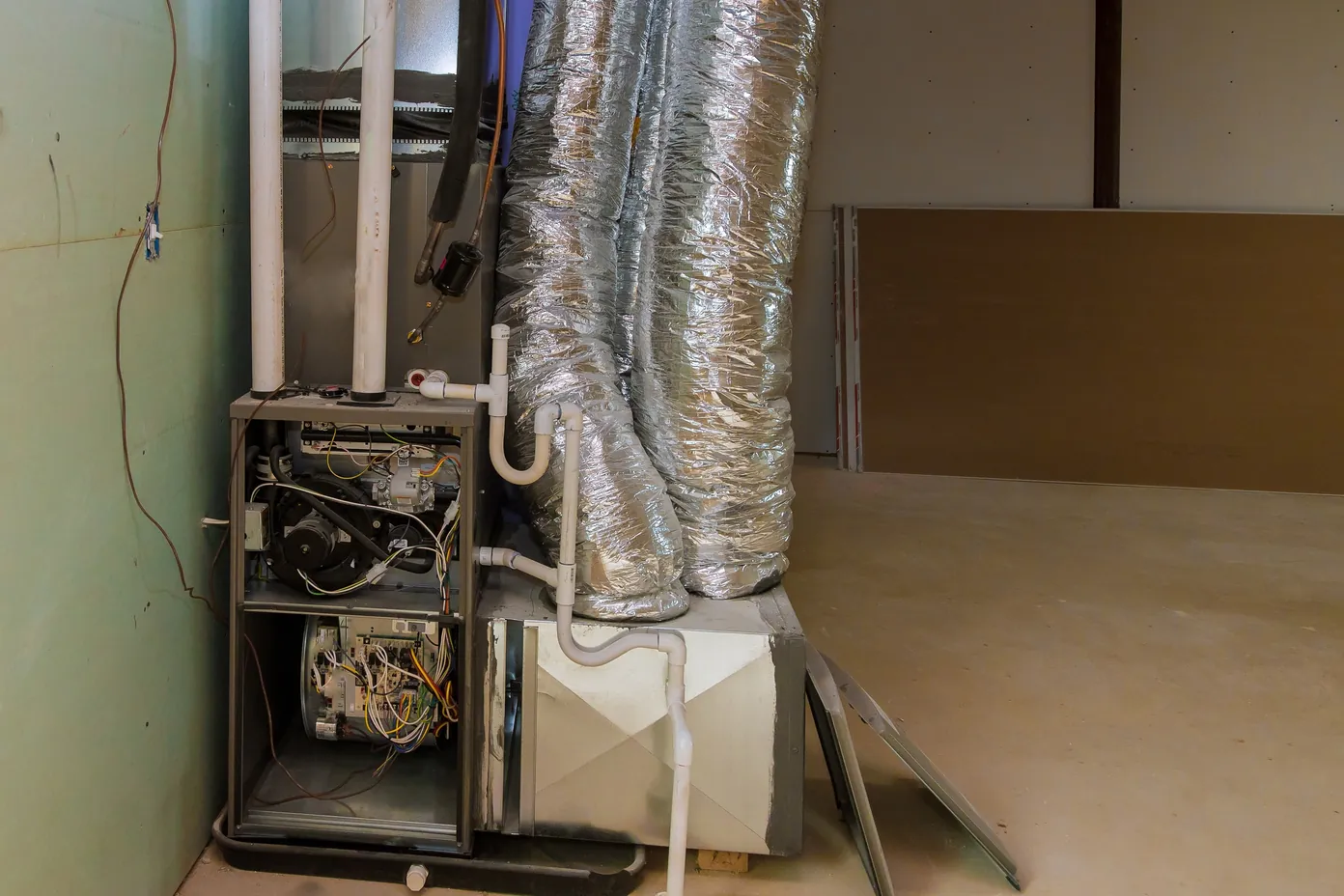
Tell us what the furnace is doing, when the problem started, and roughly how old the unit is if you know. Mention any recent tune-ups, and let us know which rooms feel coldest. Our technicians come to your home to test the system, so there is no need to bring the furnace or its parts to us. If you are still weighing options, you can also review our furnace services, ducted heat pump repair, or central AC repair.
Reach Out to Our Team


Flexible HVAC Financing in Aurora, MO
Synchrony financing makes it easier to move forward with a new air conditioner, furnace, heat pump or mini-split without putting your whole budget on hold. You can apply online in a few minutes, or contact our team and we’ll walk you through your options.
Comfort Club
$159 A Year- Spring safety & efficiency inspection
- Fall safety & efficiency inspection
- Prevent most breakdowns before they occur
- Computerized service history of all equipment
- 10% discount on all parts and labor for all repairs
- Priority service
- Bonus bucks
If you have more than one system, add $30 per additional system
Ready to Get Started?
Contact Heller Heat & Air today to schedule service or ask a question. We’re here to help keep your home comfortable all year.
Furnace Problems That Call for a Diagnostic Visit
These symptoms often mean a furnace needs a closer look, and each one has its own range of possible causes.
Uneven Heating From Room to Room
Rooms that stay cold while others feel comfortable often point to airflow rather than the furnace alone. A closed register, a leaking supply duct, or a blower that is not moving enough air can each produce that pattern. A visit separates the furnace problem from the duct problem so the right fix is chosen.
Yellow or Sooty Burner Flames
A healthy gas burner normally shows a steady blue flame. Yellow, flickering, or sooty flames can point to a dirty burner or a combustion problem that needs professional inspection. If you notice soot on the furnace or on nearby surfaces, stop running the furnace and contact our office to schedule a check.
Repeated Ignition Attempts or Lockouts
If the burners click several times, fail to light, and then shut down, the furnace may have locked out to protect itself. Dirty flame sensors, gas valve issues, and worn ignition components are common causes. Resetting the furnace again and again without an inspection can hide the underlying fault, so a technician should review the sequence before it runs again.
Loud Bangs, Squeals, or Rattling
A single pop at startup is common, but repeated banging, squealing, or rattling from the blower compartment deserves a look. Loose panels, a worn blower motor bearing, or a failing belt on units that use one may be responsible. Each problem can worsen if the furnace keeps running, so describe the sound, when it occurs, and whether it stops after a heating cycle ends.
Water Near the Furnace or Its Drain Line
Higher-efficiency furnaces carry condensation away through a drain line. A clogged drain or cracked line can leave water pooling around the cabinet. Standing water can damage the floor and nearby finishes, so note where it appears and whether it returns after the line has been cleared.
Heating Bills Climb While Comfort Drops
When a furnace runs longer to produce less heat, it is working harder than it should. Clogged filters, restricted airflow, failing components, and worn controls can each reduce output while energy use rises. Bring your recent bills to the visit if you have them, since they help show when the change began.
Walking Through a Furnace Diagnosis From Start to Finish
A furnace repair follows a defined path, so you know what is being checked and why at each stage. The five steps below describe how our technicians approach a heating call, from the first conversation through the final test.
Heating Complaint and Service History
We begin with what the furnace has been doing, because the pattern of symptoms narrows the search before any panel is opened. Your description and the furnace’s history help us arrive ready to test the right components.
- Record the symptoms, when they started, and whether they happen on every heating cycle
- Note the furnace’s age, its brand, and any repairs or tune-ups you can document
- Check thermostat settings, schedules, and any recent changes to the home
- Ask whether the furnace sat idle through warmer months or was serviced recently
- Confirm access to the furnace cabinet, the filter location, and the nearby areas we will use
- Plan the visit around what you reported so the technician arrives prepared
Burner, Ignition, and Safety Checks
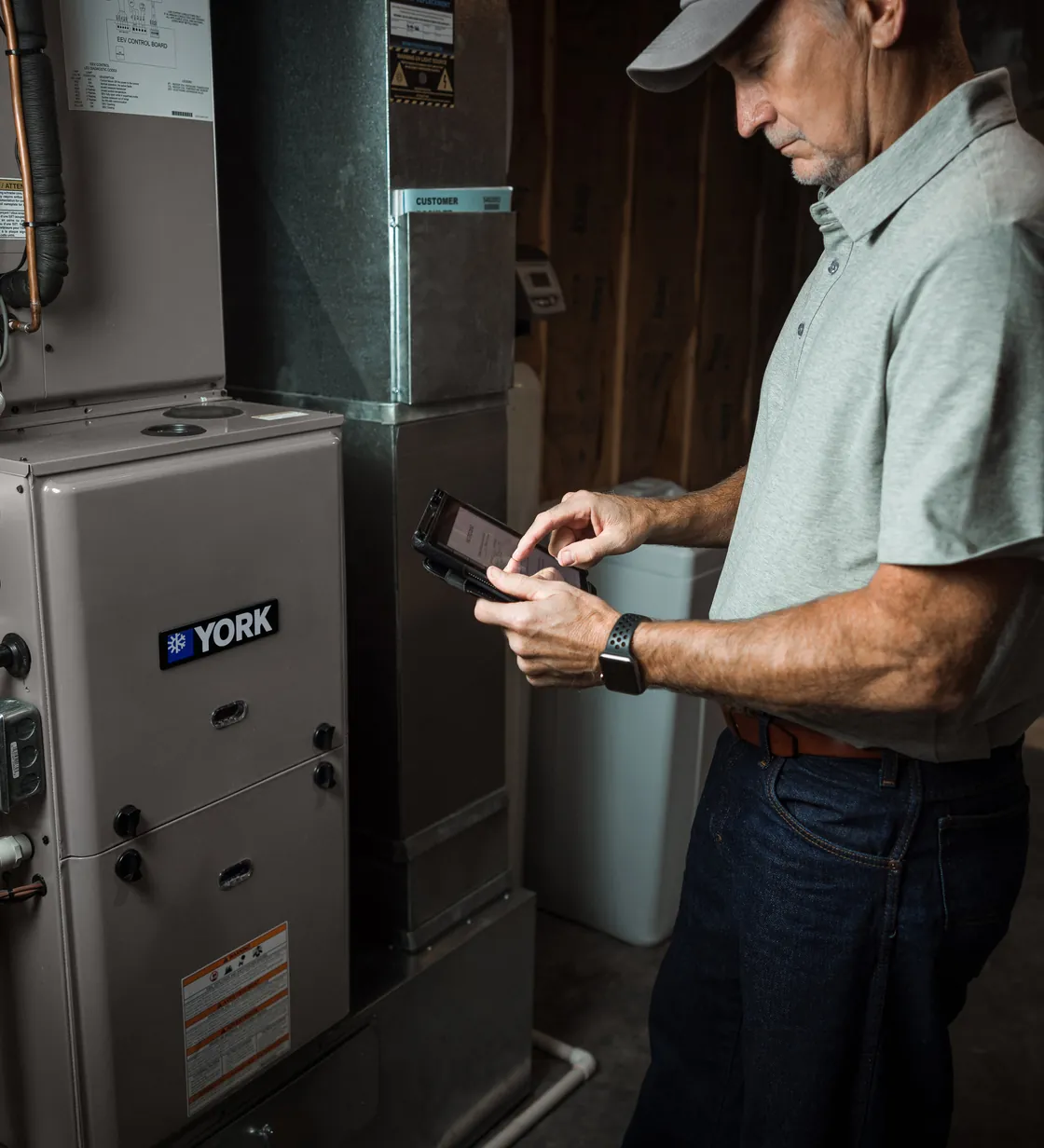
Our technicians come to your home and test the furnace while it runs through a heating cycle. Gas and electric furnaces each have their own checks, and we confirm the safety controls respond correctly before any setting is changed.
- Inspect the burner assembly or electric heating elements for dirt, damage, or wear
- Test the ignition sequence and the flame sensor for proper operation
- Check the pressure switch, limit switch, and other safety devices for correct response
- Confirm that gas or electrical connections are secure and in good condition
- Verify that the venting path is clear of blockages and firmly held in place
- Note any reading that falls outside the manufacturer’s specifications
Airflow and Temperature Rise Testing
Heat only reaches your rooms if air moves through the furnace and ductwork at the right volume. Measuring airflow and temperature rise tells us whether the furnace is delivering its heat or whether the problem lies in the ducts, the filter, or the blower.
- Inspect the air filter, return grilles, and supply registers for restrictions
- Measure the temperature rise across the heat exchanger from return air to supply air
- Check blower speed settings and confirm they match the duct system
- Look for disconnected or leaking duct sections near the furnace
- Compare the readings with the furnace’s rated operating range
- Explain which readings point to the furnace and which point to the ductwork
Repair Options Reviewed Before Any Parts Change
Once we understand the cause, we explain it in plain language and lay out the options. You decide what happens next, and we do not proceed with work you have not approved.
- Show you the failing part and describe the role it plays in heating your home
- Explain the likely reason it failed and whether other components may be affected
- Outline each repair option, including the work it involves
- Separate repairs that are needed now from those that can wait for a later visit
- Say plainly when a repair would not make sense for an aging furnace
- Review Synchrony financing with you if the approved work is a larger investment
- Answer every question before you approve the work
Final Burner Test and Warranty Paperwork
After the approved work is finished, we run the furnace through a complete heating cycle and record the results. You receive a written record, so the furnace’s service history stays clear for every future visit.
- Record operating readings taken before and after the repair or tune-up
- Run a full heating cycle and confirm that ignition and safety controls respond correctly
- Confirm airflow, temperature rise, and thermostat control during the final test
- Provide a written summary of the work completed and the parts replaced
- Share manufacturer warranty information for any replaced parts that carry coverage
- Review our Comfort Club maintenance plan for seasonal visits that keep the furnace in good shape
Repairs We Make Most Often on Furnaces
Ignition and Flame Sensor Service
A dirty flame sensor or a worn ignition component can cause a furnace to shut down before it heats the home. We clean or replace the part that is failing and confirm the sequence runs correctly.
Ask about ignition serviceFurnace Blower Diagnosis
A blower that runs weakly or not at all leaves rooms cold even when the burners work. We test the motor, its controls, and the airflow it produces before recommending a repair.
Request a blower diagnosisBurner Assembly Cleaning and Repair
Burner ports clogged with dust or residue can produce weak, uneven flames. We clean the assembly, check its alignment, and replace any component that has worn beyond service.
Discuss burner concernsPressure and Safety Switch Replacement
Safety switches protect the furnace by confirming airflow and temperature before the heat runs. When one fails, the furnace may refuse to start, and we test each switch under operating conditions.
Schedule a safety switch checkControl Board and Wiring Repair
A control board that misreads a signal can make a working furnace appear broken. We test the board, the thermostat wiring, and the connections between components before replacing anything.
Ask about a control board checkHigh-Efficiency Drain Line Service
A clogged condensate line can shut the furnace down or leave water near the cabinet. We clear the line, inspect the trap and drain pan, and confirm that water leaves the system properly.
Report a drain line concernHeat Exchanger Inspection
A cracked or corroded heat exchanger is a serious safety concern, so a careful inspection matters when symptoms point toward it. We examine the exchanger as far as the equipment allows and explain what we observe.
Request a heat exchanger inspection
Furnace Repair Questions Homeowners Ask
A healthy gas burner normally shows a steady blue flame with little or no soot. Yellow, flickering, or sooty flames can point to a dirty burner, poor air mixing, or a venting or combustion problem that needs professional attention. We inspect the burner assembly, the air supply, and the venting path, then explain what we find. If you notice soot on the furnace, stop running it and contact our office.
A lockout protects the furnace when it cannot establish a safe flame after a set number of tries. Common causes include a dirty or failing flame sensor, a weak ignition component, a gas supply problem, or a pressure switch that does not confirm proper airflow. Resetting the furnace again and again can hide the underlying fault. We test the ignition sequence, the sensor, and the safety switches, then explain which part needs attention.
Often, yes. A flame sensor coated with residue can sometimes be cleaned carefully and returned to service, which is a simpler repair than replacement. If the sensor is worn, cracked, or no longer reads the flame properly, it should be replaced. We check the sensor’s signal during the visit and show you the reading, so you can see why one option was chosen over the other.
On furnaces that use one, a pressure switch confirms that the draft motor is moving air through the venting path before the burners ignite. If the switch does not close, the furnace will not start, even when the thermostat calls for heat. Blocked vents, a failing draft motor, or a faulty switch can all cause this. We check the venting path and each component in the sequence before replacing any part.
High-efficiency furnaces condense moisture from exhaust gases, and that water leaves through a condensate drain line. If the line clogs or freezes near an exterior wall, water can back up and stop the furnace from running. Clearing the drain, checking the trap, and inspecting the drain pan are routine parts of our service. Tell us where you see the water, because its location helps us identify the cause.
Turn the thermostat to off, and avoid repeatedly resetting the breaker or replacing the fuse until someone has checked the furnace. A breaker that trips again usually points to a motor drawing too much current, a short in the wiring, or a failing component. Note what happened and when, then contact our office to schedule a visit. Our technicians test the electrical circuit, the motors, and the connections before any part is replaced.
Many furnaces can be repaired by replacing a control board or a single component, and the rest of the system stays in service. We confirm the board is the cause before recommending a replacement, because similar symptoms can come from wiring, sensors, or the thermostat. If the board is part of a wider pattern of age-related wear, we explain that separately so you can compare your options with the full picture.
A furnace may keep up with mild weather but fall behind when temperatures drop sharply. Restricted airflow, a dirty filter, a weak blower, or a heating output that is too small for the home can all show up on the coldest days. We measure temperature rise and airflow to tell these causes apart. If the furnace is undersized for the home, we explain that with the readings in hand.
Most furnaces benefit from a checkup before the heating season begins. That visit covers the burner or heating elements, ignition, safety controls, airflow, and thermostat operation, so small issues can be addressed before the coldest weather arrives. Some households prefer a plan with regular visits. Our Comfort Club maintenance plan organizes those visits, and we are glad to explain how it works.
Yes. A furnace that has been idle for a season can collect dust on the burners and blower, and its filter and drain may need attention before it runs well again. We test the ignition, controls, and airflow, clean what needs cleaning, and confirm the furnace runs through a full heating cycle. If a problem appears during that test, we explain it before any work is approved.
Heating and Cooling Options Worth Comparing
A furnace problem sometimes overlaps with the rest of a home’s comfort system, so these related services may be useful to review. If you are comparing options, contact our office and we will walk you through the differences.
-
Mini-split systems
Ductless repair and tune-ups for rooms, additions, and zones.
-
Package unit services
Heating and cooling housed in one outdoor cabinet, with repair and tune-up support.
-
Air filtration and air cleaners
AprilAire options for cleaner air throughout the home.
-
Humidifiers and dehumidifiers
AprilAire humidity control through every season.
-
Mobile and modular home services
Heating, air conditioning, and heat pump service for mobile and modular homes.
What Aurora Homeowners Say About Us
Our reputation was built one service call at a time. Here’s what our neighbors in Aurora and the surrounding area have to say about working with Heller Heat & Air.
Furnace Repair Across Our Service Area
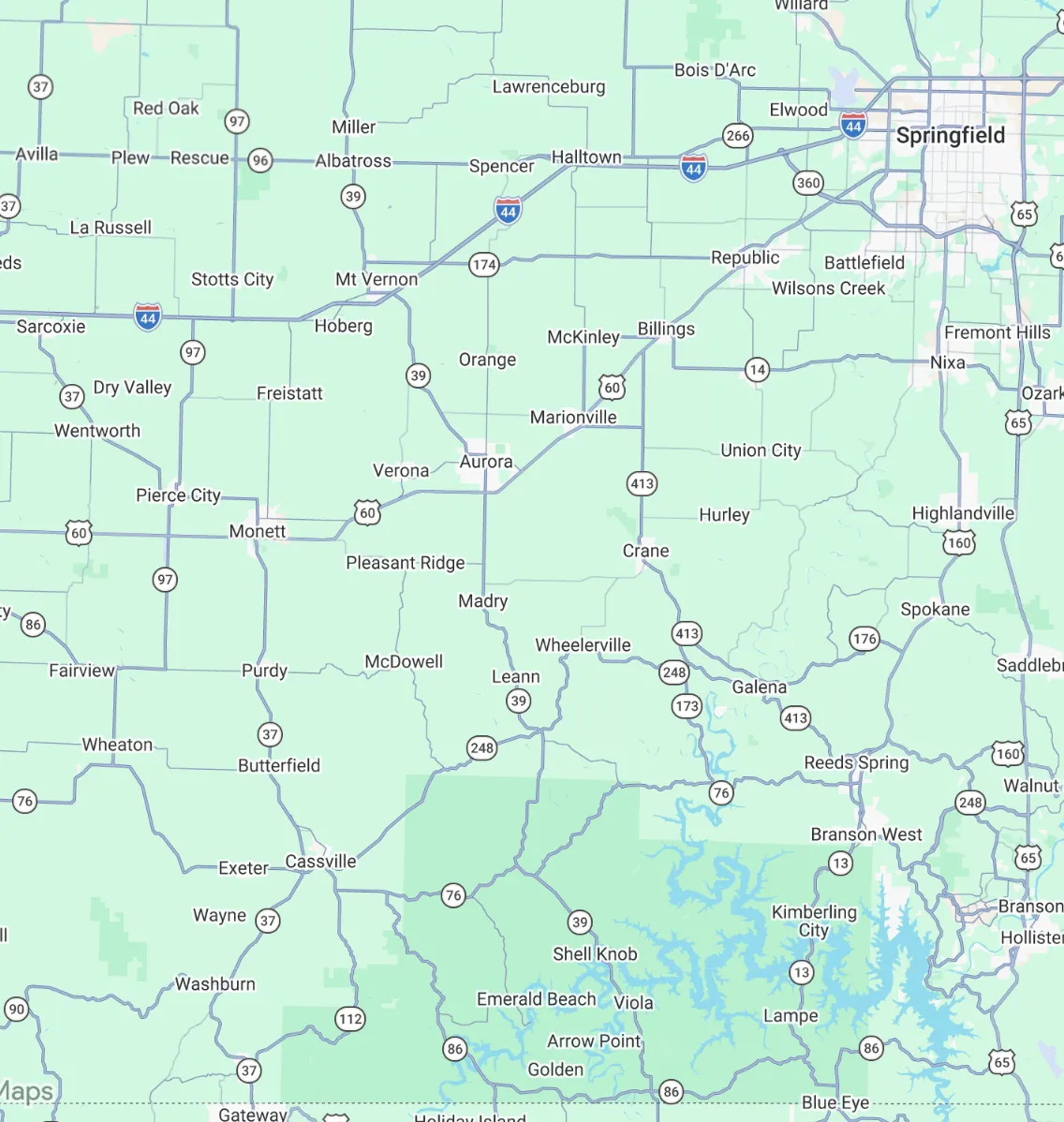
Aurora is our home base for furnace repair. Visit the Aurora services page for local details, or review the service area overview for every community we serve. Choose the town nearest you to see its local services page, then contact our office to schedule a visit.
- Aurora HVAC service
- Mount Vernon HVAC service
- Monett HVAC service
- Shell Knob HVAC service
- Marionville HVAC service
- Verona HVAC service
- Pierce City HVAC service: contact us
- Purdy HVAC service: contact us
- Miller HVAC service: contact us
- Crane HVAC service: contact us
- Billings HVAC service: contact us
- Leann HVAC service: contact us

Additional Communities Served
Don’t see your town listed? We regularly travel beyond these communities, so give us a call and we’ll let you know if we can help.


Honest Furnace Repair From Your Aurora Contractor
A furnace that is not heating your home evenly deserves a clear explanation and a careful repair. At Heller Heat & Air, we bring 40+ years of industry experience, YORK® Authorized Dealer knowledge, and an honest approach to every diagnosis. We explain the reasons behind each recommendation so you can decide with confidence.
Whether your furnace needs a targeted fix or you want to book its seasonal tune-up, reach out to our office and we will get you scheduled. Our team will answer your questions before any work begins.